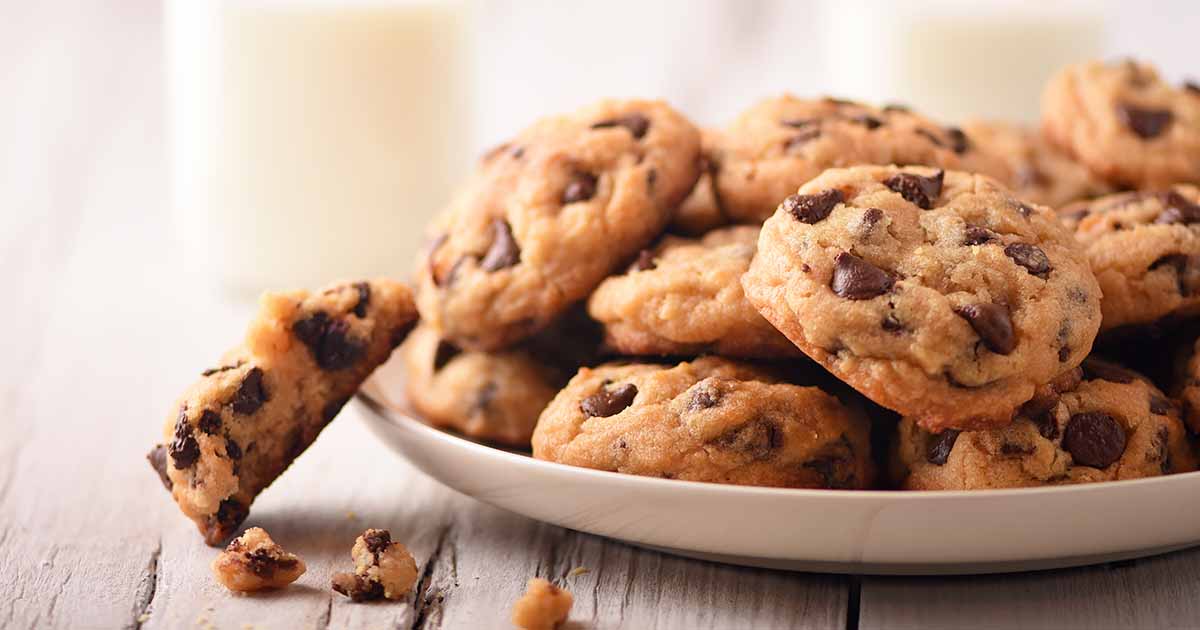
Prevent Flat Cookies: Your Ultimate Guide to Ultra-Soft Chocolate Chip Success
The quest for the perfect chocolate chip cookie is a culinary journey many embark on, often ending in delicious success, but sometimes, frustratingly, in a batch of flat, crispy disappointments. If you've ever pulled a tray of what you hoped would be thick, plush cookies from the oven, only to find them spread thin and lacking that signature pillowy center, you know the feeling. But fear not, aspiring cookie connoisseur! Achieving ultra-soft, melt-in-your-mouth
classic chocolate chip cookies isn't a dark art; it's a science, and we're here to unlock its secrets. Forget the overly complicated, fussy recipes. We're diving into the simple, "lazy sensible" methods that guarantee thick, soft, and utterly irresistible results, every single time.
The Arch-Nemesis of Flat Cookies: Understanding the Culprits
Before we build our soft cookie empire, let's dismantle the common reasons why your cookies might be flattening out. Recognizing these saboteurs is the first step toward baking success:
- Insufficient Flour: This is a major player. If your dough is too wet and sticky, it simply doesn't have the structure to hold its shape during baking, leading to excessive spread. The reference notes that if your dough feels *really* sticky, you likely need more flour.
- Over-Creaming Butter and Sugar: While creaming is important for some cookies, overdoing it incorporates too much air. This air expands rapidly in the oven, then collapses, causing cookies to deflate and spread.
- Warm Dough or Butter: If your butter is too soft (beyond room temperature) or melted but still warm, or if your dough gets too warm before baking, it will spread immediately upon hitting the hot baking sheet.
- Incorrect Leavening Agents: An imbalance of baking soda or baking powder can affect spread. Too much baking soda, especially when paired with an acidic ingredient, can lead to quick spreading.
- Greased Baking Sheets: Unless specified, avoid heavily greasing your baking sheets. This can cause the dough to spread more. Parchment paper or silicone baking mats are your best friends here.
- Overbaking: While not a direct cause of *initial* flattening, overbaking can lead to a crispy, dry cookie that loses its desired soft texture and can sometimes contribute to a harder, flatter finish as moisture evaporates.
Understanding these factors empowers you to make informed adjustments, ensuring your next batch of
classic chocolate chip cookies stays wonderfully thick and soft.
Unlocking Ultra-Softness: The Melted Butter Revolution
One of the most transformative secrets to achieving truly ultra-thick and soft chocolate chip cookies, as highlighted in expert recipes, is the strategic use of
melted butter. Forget the fuss of "room temperature" or "partially melted" — we're going all in, and it's a game-changer.
Why melted butter? When butter is fully melted and then slightly cooled, it creates a dough with a different consistency compared to dough made with creamed butter. Creaming butter and sugar incorporates air, leading to a cakier texture. Melted butter, however, creates a denser, chewier dough that prevents excessive air incorporation. This results in cookies that spread less and retain their thick, plush centers. It also imparts a richer, almost nutty flavor profile that elevates your
Melted Butter Secret: Ultra-Thick, Soft Chocolate Chip Cookies to new heights.
The key is to melt the butter completely (a quick microwave zap usually does the trick) and then let it cool for a few minutes. You want it liquid, but not hot, as hot butter can "cook" the eggs when added. This simple step eliminates the guesswork of butter consistency and lays the foundation for that coveted soft, thick texture.
The Flour Factor: Achieving Perfect Dough Consistency
After mastering the melted butter, the next crucial step is ensuring you have the right amount of flour. This is where many home bakers go wrong. The reference emphatically states that if your dough is wet and *really* sticks to your hands, you probably need more flour.
Here's how to get it right:
- Measure Accurately: Always spoon your flour into the measuring cup and level it off with a straight edge. Scooping directly with the measuring cup can compact the flour, leading to too much, which makes cookies dry. Conversely, too little, and your cookies will spread.
- Trust Your Touch: After mixing in the initial amount of flour, pay attention to the dough's texture. It should be soft and pliable, but not overly sticky. If it's still very wet and adheres aggressively to your hands, add flour a few tablespoons at a time, mixing gently after each addition, until it reaches a manageable, slightly tacky consistency. This visual and tactile cue is vital for preventing flat cookies.
Sugar's Sweet Symphony: Balancing Flavors and Textures
The combination of sugars plays a significant role in the texture and flavor of your
classic chocolate chip cookies. Most recipes call for both brown sugar and granulated white sugar, and for good reason.
*
Brown Sugar: With its molasses content, brown sugar contributes moisture, chewiness, and a lovely caramel note. It also tends to make cookies spread less than white sugar alone.
*
Granulated White Sugar: This provides crispness to the edges and contributes to spread, but in moderation, it helps create that desirable balance of soft center and slightly crisp edge.
The "lazy sensible" approach, as hinted in the reference, often simplifies the sugar ratio to achieve incredible results without overthinking. The key is balance – enough brown sugar for chewiness and moisture, and enough white sugar for a slight crisp and overall sweetness, all working harmoniously within the melted butter and flour framework.
The Art of Baking: From Dough Ball to Golden Perfection
Once your dough is perfectly mixed, the final stages of baking are paramount to ensuring your cookies emerge thick, soft, and utterly delightful.
Gentle Mixing is Key
While beating butter and sugar is less of a concern with melted butter, general mixing etiquette still applies, especially once eggs and dry ingredients are introduced. Over-mixing gluten in flour develops it too much, which can lead to tough cookies. The reference advises to mix eggs and vanilla "just barely in," and the same goes for flour – mix until *just combined*, then fold in your chocolate chips. Whether you prefer milk, semi-sweet, dark chocolate, or a mix of
Bake The Best Soft Chocolate Chip Cookies: No Chill Recipe, high-quality chocolate chips or chunks will elevate the flavor even further.
The Golden Rule: Do NOT Overbake!
This is perhaps the most critical advice for achieving soft cookies. The reference explicitly states: "please, please, do not overbake. We want them to be just barely done for that soft melty deliciousness."
Here's what to look for:
Cookies should have slightly golden-brown edges, but their centers should still look soft, puffy, and perhaps even a little underbaked. They might even appear slightly glossy or wet in the very middle. They will continue to cook and set as they cool on the hot baking sheet for a few minutes after coming out of the oven. Overbaking leads to hard, dry, and potentially flatter cookies as all moisture is cooked out. Aim for that perfect balance of a set edge and a gloriously gooey center.
No Chill, No Problem!
One of the great joys of this ultra-soft cookie method is that it often requires *no chilling*. This means instant gratification is within reach! While some recipes demand hours in the fridge to prevent spread, the combination of melted butter and carefully measured flour in this technique often bypasses that requirement entirely, allowing you to whip up a batch of incredible
classic chocolate chip cookies on a whim.
Beyond the Basics: Advanced Tips for Cookie Mastery
To truly master the art of the perfect soft chocolate chip cookie, consider these additional tips:
- Quality Chocolate: Don't skimp on the chocolate. High-quality chips or chopped chocolate bars (different cocoa percentages offer different experiences!) melt beautifully and provide superior flavor.
- A Pinch of Salt: Ensure your recipe includes enough salt. Salt isn't just for seasoning; it balances the sweetness of the sugar and enhances the chocolate flavor.
- Parchment Power: Always bake on parchment paper or silicone baking mats. They prevent sticking, promote even baking, and make cleanup a breeze, ensuring your cookies hold their shape.
- Cooling Time: Let your cookies cool on the baking sheet for 5-10 minutes after removing them from the oven. This allows them to finish setting and prevents them from falling apart when transferred. Then, move them to a wire rack to cool completely.
- Storage: Store your cooled, ultra-soft chocolate chip cookies in an airtight container at room temperature. For an extra treat, toss a slice of bread into the container; the bread's moisture will help keep the cookies soft for longer.
Say goodbye to flat, crispy disappointments and hello to a world of thick, chewy, and utterly irresistible
classic chocolate chip cookies. By understanding the science behind melted butter, proper flour measurement, and the crucial art of not overbaking, you now possess the knowledge to consistently bake bakery-quality treats right in your own kitchen. Embrace these "lazy sensible" techniques, trust your instincts, and prepare to be hailed as a cookie champion. Happy baking!